

← Field Notes ← Back to Writing
Industry. Architecture. Machines in motion.
Field Notes / 001 ·
A Direction of Our Own
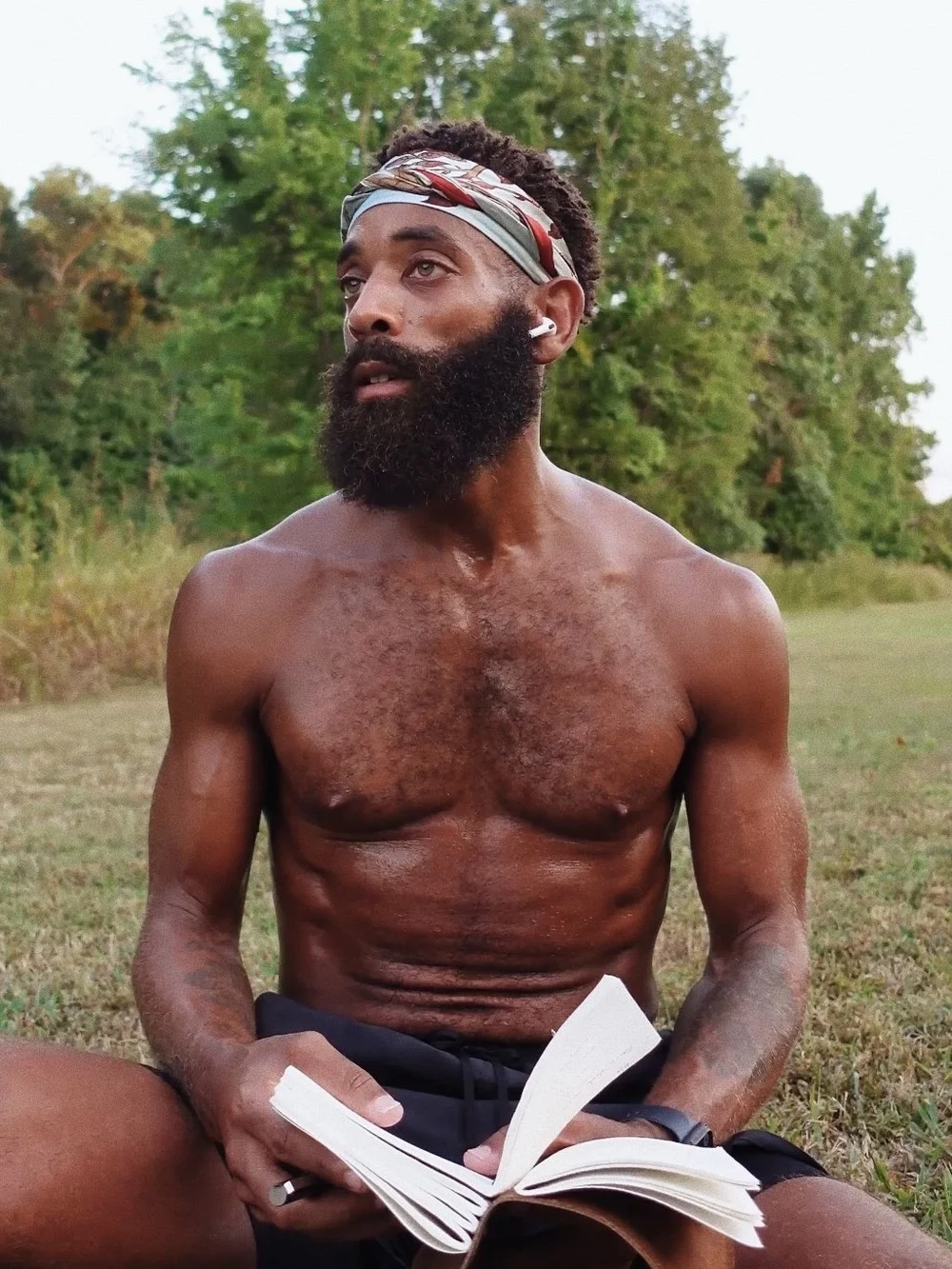
I've been studying the stars. Trying to recognize what I'm looking at instead of letting the whole sky become one beautiful thing I don't understand. There is something steadying about learning a direction. Especially now, when so much of the world seems determined to tell us where we're going before we've had a chance to choose.
I keep coming back to a question: will the future leave us room to become?
Read the full field note
Epilepsy is part of my life. So is trauma. Neither tells the whole story. I have sons. I have a mother whose words share a book with mine. I have music, poems, and things I'm still learning how to say. A record can hold something true about a person and still leave most of that person outside it.
Fatherhood makes that harder to ignore. I want my children to inherit something they can use. Love they can trust. An apology that means something. The understanding that they can ask for help without losing their dignity. I don't want my pain becoming the rules of their house.
When I talk about breaking curses, I think about the moment a familiar hurt reaches me and I have a choice about what happens next. Sometimes I make the wrong choice. Then there is the work of coming back, telling the truth, changing what I do. My children should be able to feel the difference.
I think about my mother. About Black women whose knowledge gets used while their names disappear from the account. Honoring them has to reach beyond a tribute. Credit. Listening. Care. Space to rest. Space to create something that doesn't have to save everybody else first.
Listening to ancestors asks something of me, too. Learn their names where I can. Read what survived. Listen to the people carrying the stories. Be honest about what I don't know. I want the history close enough to change how I live.
That is part of why I care about intelligence. Long before we taught machines to recognize patterns, people were learning a landscape, a voice, a danger, a way through. Studying those lives reminds me how much knowledge can matter when somebody else's power is deciding what you are allowed to be.
I want to know what artificial intelligence will help us protect. If superintelligence becomes possible, what will happen to a person who needs time, who lives with an illness, who changes their mind? Who gets to say that a prediction is wrong? Who can afford to be misunderstood?
I can imagine tools helping us find an answer, make something, recover time for one another. That possibility matters to me. So does the question of who owns the tools and whose life gets smaller when they fail.
My music, poetry, films, and writing keep meeting here. Trying to carry experience forward without making the wound our only inheritance. Trying to leave my sons a direction and enough freedom to find their own.
I look up. There is more to learn. I come home. There are people to love.
A future worth building should have room for us to arrive unfinished.


Memory, power, and the people we become. Follow the thread through the essays, the films, and the archive.