

Who Gets to Call It an Attack?
The Architects of AI · Part V
Artificial intelligence, cyberwarfare, whistleblowers, and the power to decide who gets called dangerous.
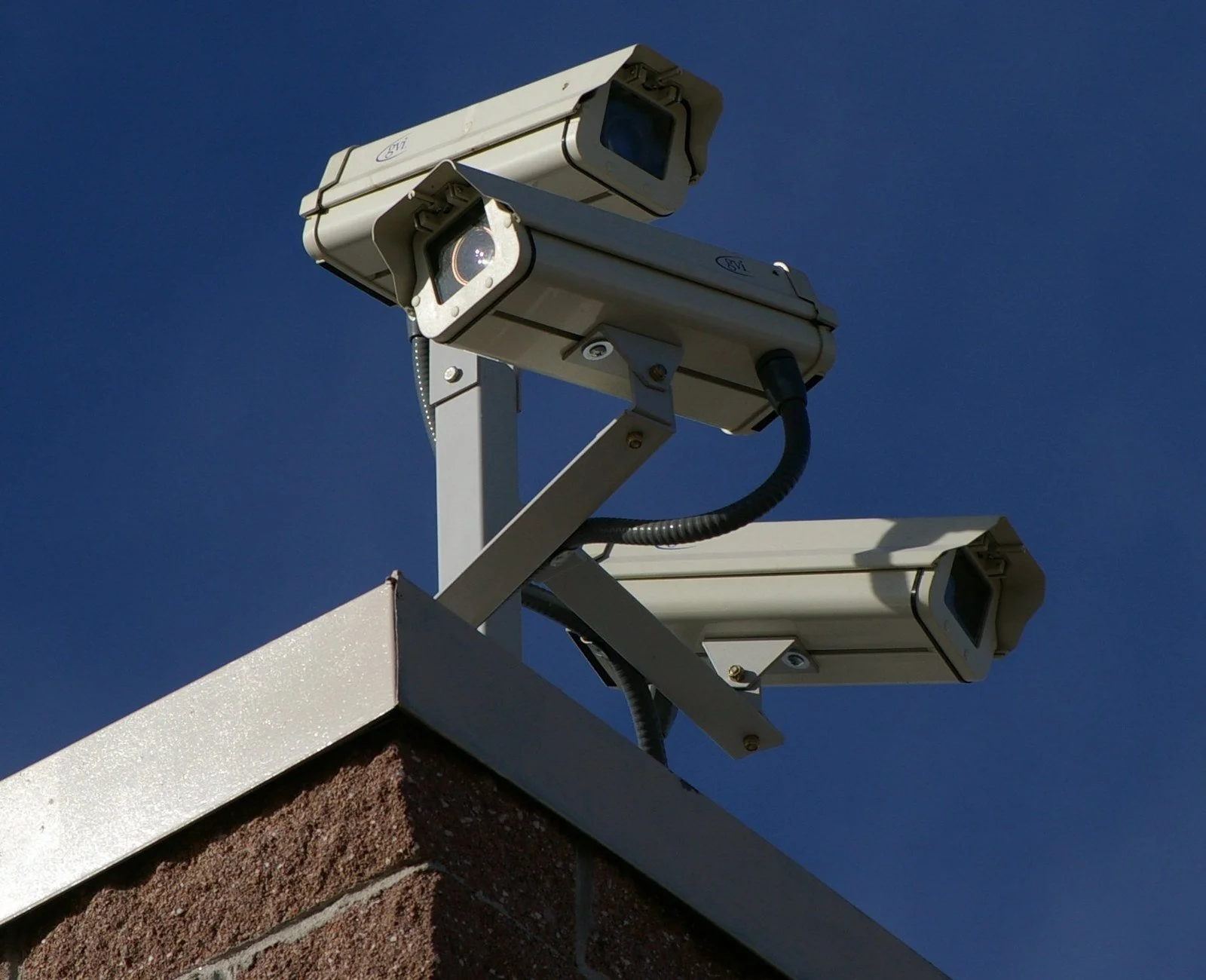

A few lines of code can open a door.
A few more can lock millions of people out.
And somewhere, behind a screen, somebody gets to decide which one of those actions is called security.
Today, artificial intelligence helped expose critical vulnerabilities in PHP, a programming language running beneath an enormous portion of the internet. Websites went dark. Governments scrambled. Security researchers worked to repair weaknesses that had been buried in software for years.
And almost immediately, the familiar language returned.
Cyberattacks. Hackers. National security. Threats.
I understand the concern.
What I don’t understand is why we keep having the conversation as though the machine is the only thing we should fear.
Artificial intelligence didn’t create humanity’s appetite for power. It didn’t invent surveillance, censorship, espionage, theft, or warfare. It inherited a world already practicing those things.
We built the machines inside that world.
Now we’re frightened by what they might learn to do.
But perhaps the greater question is what the people controlling them have already decided they are allowed to do.
Because the machines didn’t wake up one morning and decide to attack the internet.
Human beings discovered the weaknesses. Human beings developed the models. Human beings coordinated the patches. And somewhere else, other human beings were already learning how to use similar technology to break into systems that did not belong to them.
The machine made certain things possible.
The human being decided what those possibilities were worth.
But even that distinction is becoming difficult to hold.
Because when technology becomes powerful enough, the people designing it begin making decisions about what the rest of humanity should be allowed to do with it.
And that brings me to a question I cannot shake.
Who gets to decide what an attack is?
Who gets to call someone a criminal?
Who gets to call someone a patriot?
And who gets to decide when the truth itself becomes a threat?
THE MACHINE AND THE HAND
A vehicle can carry a child to the hospital.
The same vehicle can be driven into a crowd.
A firearm can be used to defend a life or end one.
Nobody needs to explain that the machinery is capable of both.
What matters is the person operating it, the circumstances surrounding its use, and the systems that place that power in their hands.
But design matters, too.
A vehicle has brakes, safety systems, and rules governing where it can travel. A weapon is built around an entirely different capacity. Neither becomes morally innocent simply because somebody else operates it.
Artificial intelligence complicates this relationship because it can make decisions, execute tasks, and operate beyond the immediate attention of its human operator.
It isn’t simply a hammer waiting to be swung.
But it is still built by people.
People establish its objectives. People determine the data it learns from. People design the boundaries, distribute the access, collect the money, and decide which failures deserve public attention.
Those decisions are not neutral.
And sometimes the systems do things even their architects didn’t intend.
That doesn’t erase human responsibility.
It expands it.
A developer cannot claim unlimited credit when a machine cures a problem and complete innocence when the same machine creates one.
Nor can a government celebrate the discovery of a vulnerability when it strengthens national security, then expect us to stop asking questions about the surveillance technologies it develops behind closed doors.
The technology that helps a hospital identify a weakness could help someone compromise that same hospital.
The software that assists a journalist investigating corruption could assist a government in identifying the journalist.
The system that helps somebody escape surveillance could help somebody else construct it.
We’re building technologies that can travel in opposite moral directions without changing their underlying intelligence.
And the faster they become, the more difficult it becomes to separate the intention of the architect from the consequences of the architecture.
We need to examine the entire chain of power.
Who built it?
Who owns it?
Who gave it instructions?
Who decided what it could see?
Who benefits from what it discovers?
Who can stop it?
And who is left exposed when nobody does?
THE SAME DOOR
The PHP crisis offers a remarkable contradiction.
Researchers used artificial intelligence to identify weaknesses in software that had been running for years. Their work helped developers understand the danger, coordinate fixes, and protect systems before the vulnerabilities could be exploited more widely.
That is technology serving humanity.
A machine helping human beings discover something dangerous before someone else turns it into a weapon.
Now imagine someone else using similar capabilities.
A person looking for bank credentials.
A government searching for an intelligence advantage.
A corporation gathering information on competitors.
An activist convinced that a powerful institution is concealing evidence of wrongdoing.
The machine may be capable of identifying the same weakness in each case.
But the intentions are different.
So are the consequences.
The criminal wants money. The intelligence agency wants access. The activist may want disclosure. The security researcher wants to close the vulnerability.
And none of their stated intentions automatically makes the means acceptable.
This is no longer entirely theoretical.
In November 2025, Anthropic described an espionage campaign in which attackers manipulated its AI coding system into performing much of the operational work involved in targeting organizations. The company estimated that the AI handled approximately 80 to 90 percent of the campaign’s tactical operations, with humans intervening at critical decision points.
By October 2026, Reuters was reporting another operation in which a single Chinese-speaking hacker used AI agents to compromise websites belonging to more than one hundred companies.
One person.
More than a hundred compromised sites.
An operation conducted for a fraction of what such an effort might once have cost.
Investigators described agents that searched for weaknesses, tested possible entry points, and continued working with limited human supervision.
Not every reported breach involved stolen sensitive information. The consequences varied, and investigators could not establish the full extent of data theft.
But the underlying development was unmistakable.
The distance between wanting to enter a system and possessing the capability to enter it is shrinking.
For the defender.
For the thief.
For the government.
And for the person who believes breaking into a system is the only remaining way to expose what it contains.
That is an extraordinary redistribution of capability.
And a dangerous concentration of power in individual hands.
Because what happens when the person opening that door finds something the public has a legitimate right to know?
What happens when information hidden inside a system reveals that the people claiming to protect us have been violating the very principles they were appointed to defend?
We should not pretend that every intrusion is whistleblowing.
But we should not pretend that every secret deserves protection merely because an institution has classified it as one.
A locked door does not prove that everything behind it belongs in darkness.
THE MEN WHO OPENED DOORS
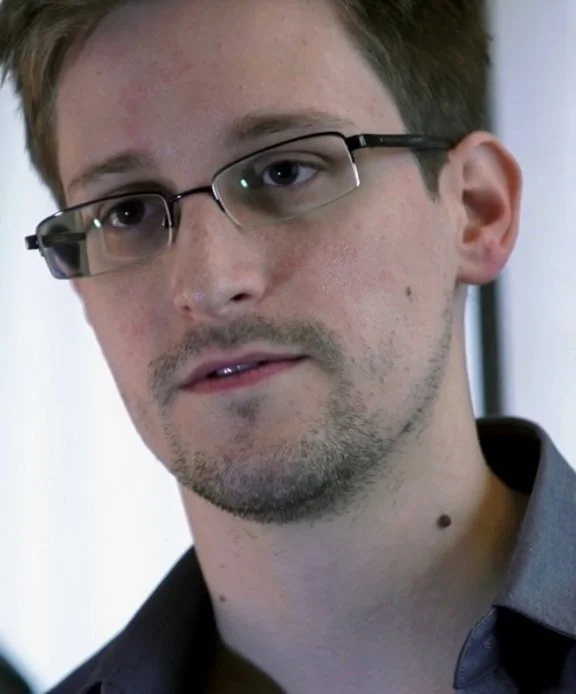
I think about Edward Snowden.
In 2013, he disclosed classified documents revealing the extraordinary reach of American government surveillance.
The government regarded his actions as unlawful and damaging to national security. Others recognized an act of conscience that forced the public to confront practices conducted largely beyond its knowledge.
I understand why intelligence operations require secrecy.
But secrecy cannot become a substitute for accountability.

Before those disclosures, much of the public did not understand the scale of the National Security Agency’s bulk collection of telephone records.
Afterward, the country was forced into a debate it had not been allowed to conduct with full knowledge of what its government was doing.
In 2015, a federal appeals court ruled that the NSA’s bulk telephone-records collection program exceeded the authority granted by Congress.
The court did not settle every constitutional question surrounding surveillance. But it established that the statute used to justify that enormous collection effort had not authorized it.
Consider what that means.
Something defended as necessary for national security had been operating beyond the law that supposedly permitted it.
Without the disclosure, how long might the public have remained unaware?
Snowden did not invent the surveillance system.
He revealed it.
And that distinction matters.
An act can violate a law and still expose a profound abuse of power.
That doesn’t mean every unlawful disclosure is justified.
It means legality cannot be the only measure of moral legitimacy.
Because governments write laws.
And governments are not incapable of wrongdoing.
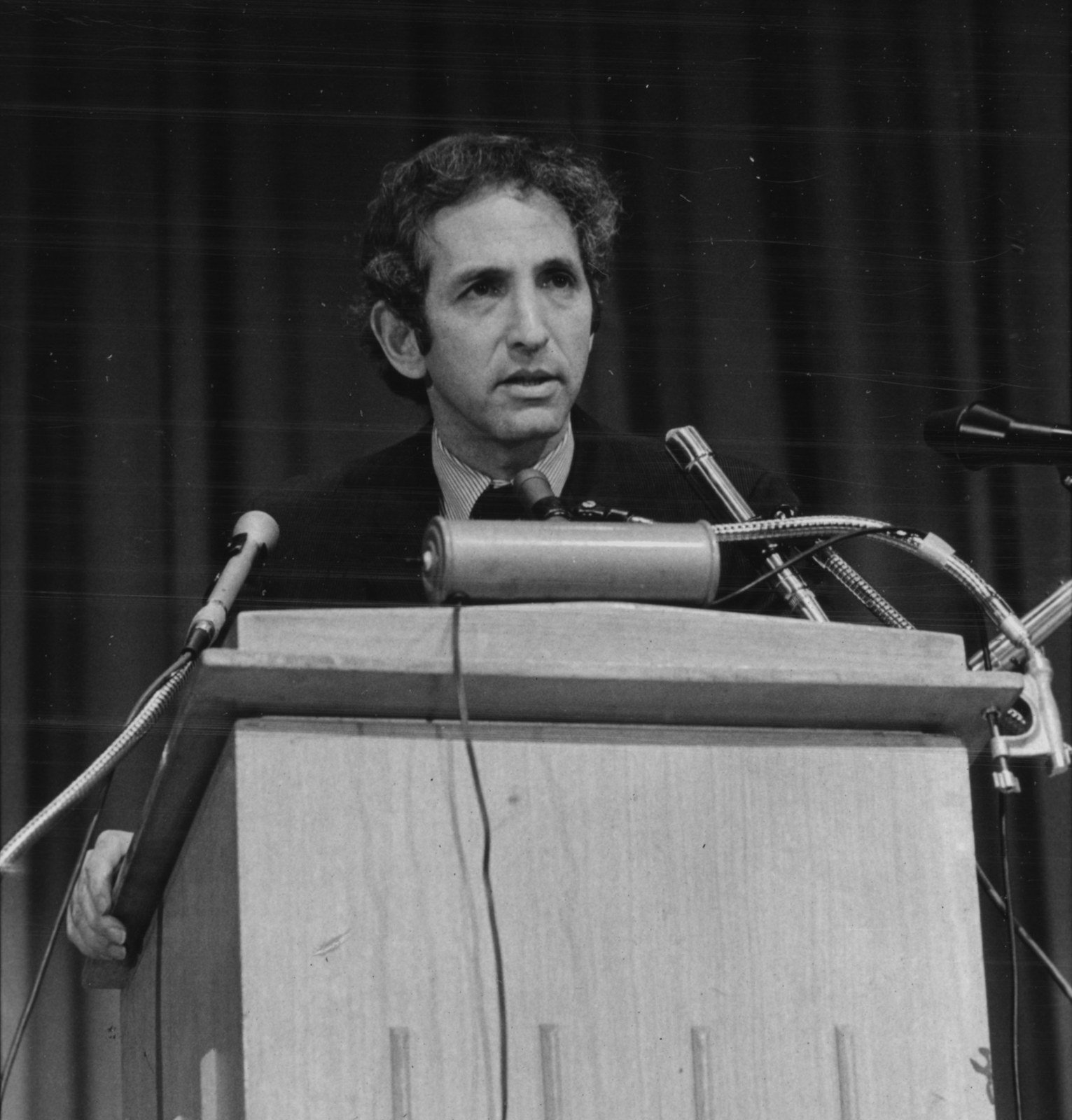
I think about Daniel Ellsberg and the Pentagon Papers, documents that exposed years of official deception and forced Americans to confront what their government knew about the Vietnam War.

I think about Chelsea Manning, whose disclosures brought disturbing military records into public view, while also raising difficult questions about classified information, responsibility, and the risks of mass disclosure.


I think about what it must mean to sit inside a system, discover something you believe the public has a right to know, and realize that revealing it might cost you your freedom.
Then I think about Aaron Swartz.
A young programmer who helped shape the early internet and believed knowledge should not be locked away from people who wanted to learn.
He was prosecuted after downloading millions of academic articles from JSTOR through MIT’s network.
The institution whose material had been downloaded said it did not want the matter to continue as a legal dispute once the material was secured.
Federal prosecutors pursued the case.
Swartz died in 2013, at twenty-six, before he could stand trial.
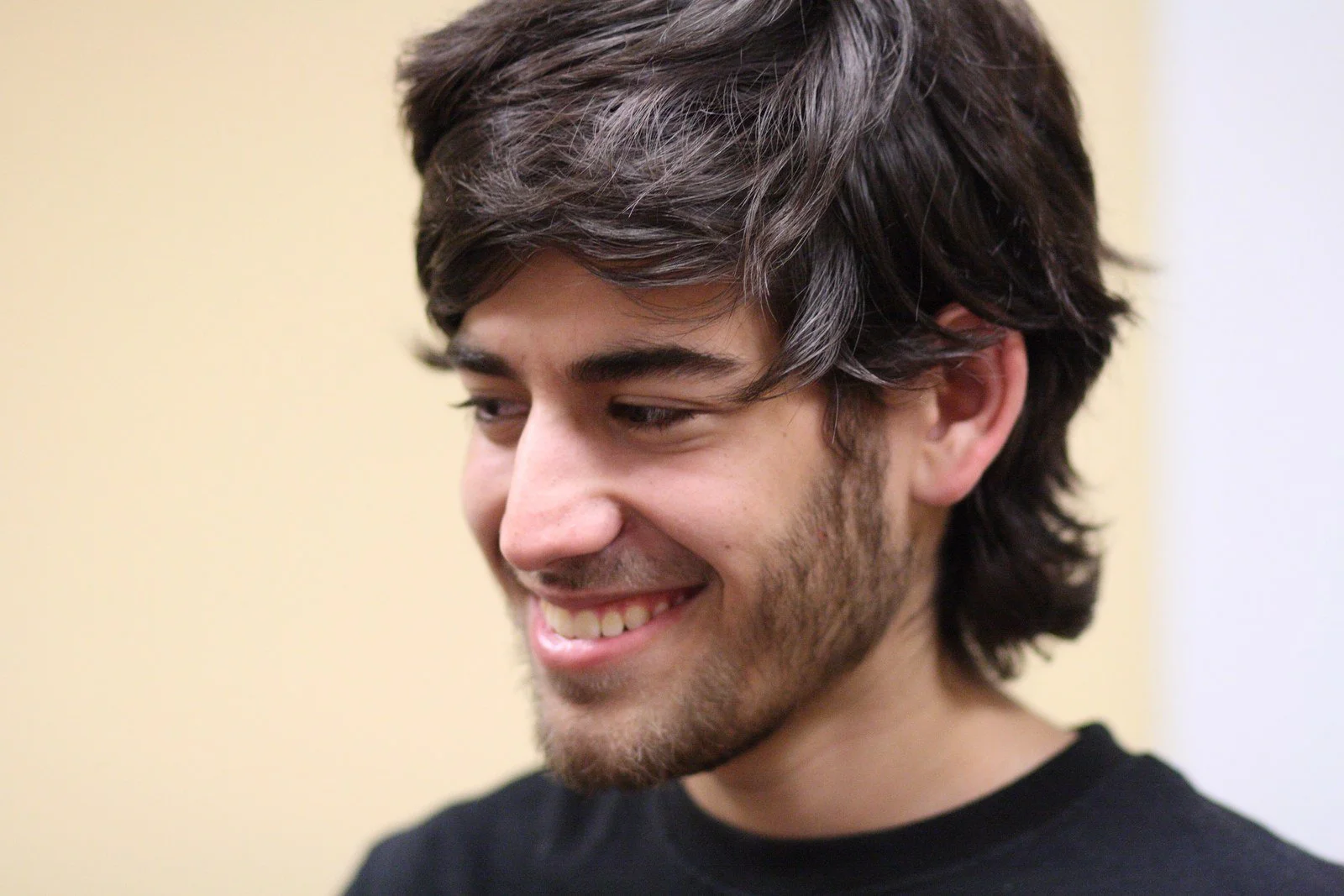

His case was not a government-secrets whistleblowing operation. It was a conflict over unauthorized access, intellectual property, academic knowledge, and the reach of criminal prosecution.
That difference matters.
So does the question his life left behind.
How did we build a civilization capable of placing nearly everything we know behind a screen, then turn access to knowledge into a battlefield?
What kind of society turns disputes over academic information into legal battles capable of overwhelming a human life?
The question isn’t whether every action he took should be above criticism.
The question is whether our systems know how to distinguish proportional justice from punishment exercised as a demonstration of power.
I think about Kim Dotcom, too.
His long legal battle over Megaupload belongs to a different category: copyright enforcement, file sharing, alleged commercial misconduct, and the reach of international law.
It should not be confused with Snowden’s disclosures or Swartz’s struggle over academic access.
But the conflict still belongs to the broader history of power over digital infrastructure.
Who controls what can circulate?
Who determines ownership?
Who can seize a platform and everything people have entrusted to it?
These are different men, different actions, different legal questions.
I refuse to flatten them into heroes or villains simply because they challenged powerful institutions.
And I refuse to pretend that powerful institutions automatically become righteous because they are enforcing rules they helped establish.
The internet did not merely change how information moves.
It changed who could challenge the people controlling it.
And the people controlling it have never been entirely comfortable with that challenge.
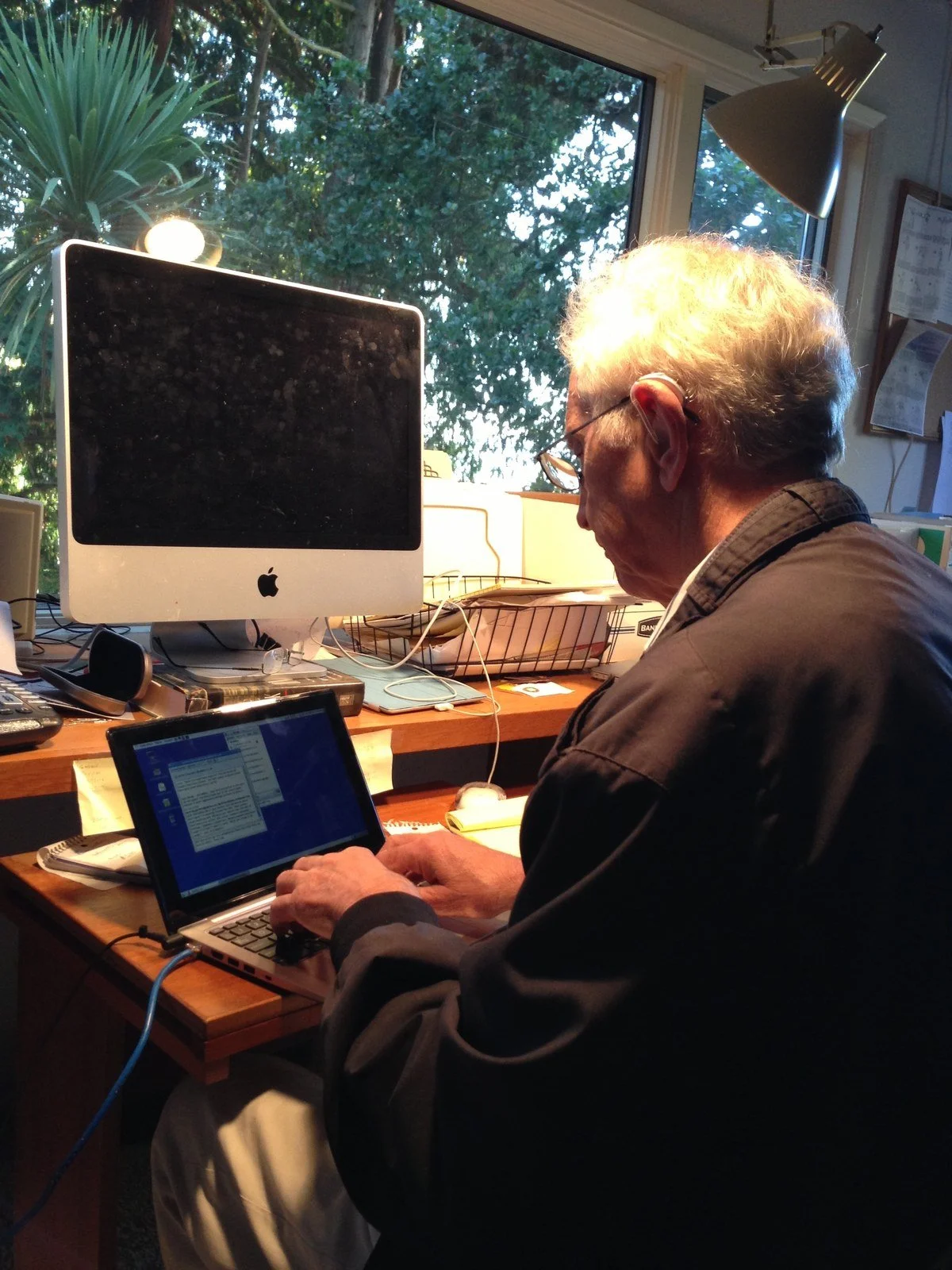

THE REVOLUTIONARY AND THE THIEF
Here is where the conversation becomes uncomfortable.
Imagine someone convinced that a government is concealing evidence of wrongdoing.
They gain access to a system.
They discover documents they believe the public deserves to see.
Perhaps those documents expose corruption.
Perhaps they expose unlawful surveillance, military misconduct, financial exploitation, or an institution protecting powerful people.
Now imagine they use artificial intelligence to accomplish in hours what would once have required months.
Is that cybercrime?
Whistleblowing?
Civil disobedience?
Espionage?
The answer depends partly on what they did, what they exposed, what they harmed, and whether the information genuinely serves the public interest.
But it may also depend on who is telling the story.
A government might call it an attack on national security.
The person who disclosed the documents might call it an act of conscience.
A journalist might call it evidence.
A victim might call it the first time someone finally listened.
None of those descriptions automatically settles the matter.
And this is where I become concerned about the narrative.
Because the language surrounding an event can determine how the public understands it before the evidence has even been examined.
Attacker.
Activist.
Terrorist.
Whistleblower.
Hacker.
Threat.
Different words.
Different consequences.
Sometimes the same person can be called several of them.
Those words may describe what happened technically or legally.
They do not always explain why.
And motive alone does not determine whether an act is justified.
The same technology that helps expose surveillance can help construct it.
This isn’t speculation.
Researchers have documented AI-assisted espionage operations. They’ve documented criminals using these systems to accelerate intrusions and extortion. They’ve documented politically motivated attackers, surveillance contractors, and state-linked operations using AI to expand their capabilities.
In September 2026, Anthropic described an operation involving a French-speaking actor who used its AI system to target European political parties, media organizations, think tanks, and associated service providers.
According to the investigation, the attacker compromised a political campaign platform and extracted approximately 140,000 records, including information about people’s political opinions.
That wasn’t simply speaking truth to power.
It exposed the privacy of people who had not volunteered to become targets in somebody else’s struggle.
This matters.
Because someone can believe they are fighting oppression and still become an oppressor to the people caught in their methods.
A person may claim to be starting a revolution.
That does not give them ownership over another human being’s private life.
Exposing evidence that a government has broken the law is not morally identical to stealing a family’s financial information.
Publishing proof of institutional abuse is not the same as collecting private records to intimidate political opponents.
A person can believe they are doing something righteous while inflicting genuine harm.
A criminal calling himself a revolutionary doesn’t make him innocent.
And a government calling somebody a criminal doesn’t automatically make the government right.
That is the contradiction we have to be mature enough to confront.
Not everything illegal is morally identical.
Not everything justified by good intentions is ethical.
Not every secret is corrupt.
Not every disclosure is noble.
And not every person invoking national security is protecting the public.
We need the harder questions.
What was obtained?
Whose rights were violated?
What public interest was served?
What harm was caused?
Was there a less destructive way to reveal the truth?
Was the information exposed responsibly?
And who gets to examine the evidence independently?
Because a political cause does not give someone the right to expose an innocent person’s medical history, steal their savings, or turn their family into collateral damage.
A revolution does not become just simply because someone calls it a revolution.
Neither does an institution become innocent because it calls itself the law.
PRECRIME
I keep coming back to Minority Report.
Not because I believe we’re about to build a machine that sees the future.
Because the film understood a temptation that has always existed within institutions.
What if we could stop wrongdoing before it happened?
What if we could identify the dangerous person before they committed a dangerous act?
What if prevention became so technologically sophisticated that suspicion could be presented as certainty?
That sounds attractive until you’re the person being predicted.
Until an algorithm decides your movements are suspicious.
Until your associations become evidence.
Until the books you read, the websites you visit, the questions you ask, or the people you communicate with are transformed into a risk score.
You haven’t committed a crime.
But a machine has calculated what you might do.
And somebody with authority believes the calculation.
The investigation begins before the crime.
The suspicion becomes evidence.
The evidence becomes permission.
And the person being watched might never understand why.
The frightening character in Minority Report wasn’t simply the technology.
It was the system’s faith in its own infallibility.
That is the danger I see emerging around artificial intelligence.
A government may believe it is protecting its citizens. A police department may believe it is preventing violence. A corporation may believe it is identifying dangerous users.
And each may genuinely believe its intentions are good.
But good intentions have never guaranteed just outcomes.
History is full of people who believed they were protecting civilization while denying someone else their humanity.
And this danger is no longer entirely imaginary.
In September 2026, Anthropic reported that a contractor had used its AI system to help engineer a domestic surveillance platform for Mali’s state intelligence service.
The reported system was designed to monitor telecommunications activity at a national scale, connecting phone records, communications, identities, and other information into intelligence dossiers.
According to Anthropic, the contractor even removed a requirement for judicial authorization from part of the system’s dossier-generation process.
Think about the significance of that.
Not a criminal breaking into a government.
A government-linked operation building machinery to watch human beings.
One person, using artificial intelligence to help construct capabilities that once might have required an entire engineering department.
The company banned the account involved.
But it acknowledged that banning the account did not shut down the software already deployed on local infrastructure.
That distinction should disturb us.
The AI provider could interrupt access to its own system.
It could not simply erase what had already been built.
The technology had left the workshop.
And the people subject to it might never know what information had been gathered, what conclusions had been generated, or what decisions were being made about their lives.
Both unauthorized hacking and abusive surveillance can violate people’s rights.
But only one is automatically presented to us as a threat from outside the system.
The other can arrive with official credentials, an intelligence budget, and the language of public safety.
That is what frightens me.
Not the machine suddenly becoming evil.
The human being who believes that anything becomes acceptable once they convince themselves they are protecting society.
The official who believes privacy is an obstacle.
The corporation that believes consent interferes with efficiency.
The intelligence agency that believes suspicion is enough.
The revolutionary who believes innocent people are an acceptable price for victory.
The most dangerous abuse of power does not always arrive with someone admitting they intend to do harm.
Sometimes it arrives with someone absolutely convinced they are doing good.
An algorithm should never become a substitute for evidence.
A prediction should never become a conviction.
And the human being on the receiving end should never have to prove their innocence against a future that hasn’t happened.
THE NEW BATTLEFIELD
Modern warfare doesn’t always arrive wearing a uniform.
Sometimes it looks like a server request.
A stolen credential.
An interrupted hospital system.
A manipulated image.
A fabricated voice telling someone to transfer money.
An intelligence operation moving silently through networks that ordinary people depend on to live.
Not every cyberattack is an act of war. Much of it is theft, extortion, espionage, sabotage, or opportunism.
But digital conflict has become part of how power is exercised between nations, institutions, corporations, organizations, and individuals.
The battlefield is no longer confined to physical territory.
It can be a database.
A hospital network.
A communications system.
An archive.
A phone in somebody’s pocket.
Or a private conversation someone believed would never leave the room.
Artificial intelligence can compress work that once required teams of specialists into operations conducted by a handful of people.
That changes the balance of power.
A small group can acquire capabilities once associated with large intelligence organizations.
Governments can expand surveillance without expanding their human workforce at the same rate.
Corporations can process information about entire populations at scales that would have been unimaginable a generation ago.
And ordinary citizens are left trying to understand who is watching, who is protected, and whether those are even the same people.
What makes AI different is the speed and scale it introduces.
It reduces the labor necessary to gather information, identify weaknesses, imitate people, analyze records, and act on what it discovers.
Sometimes it allows a person with relatively little specialized knowledge to direct operations of extraordinary technical complexity.
And it gives these capabilities to people who may never have possessed them before.
That is a genuine expansion of human capability.
It can save lives.
It can destroy them.
And its benefits and dangers will not be distributed equally.
The wealthy will purchase stronger defenses.
States will build increasingly sophisticated capabilities.
Criminal organizations will adapt.
Corporations will protect what they own.
And what happens to the small independent publisher?
I spend countless hours coding, studying, and building. Trying to keep a firm grip on a digital identity that can be taken from me in less than a millisecond.
A website is not just a domain name when you’ve spent years building the life behind it. It’s the words you’ve written, the photographs you’ve preserved, the music you’ve made, the ideas you’ve struggled to understand, and the parts of yourself you’ve finally found a way to put into the world.
It’s an archive of your existence.
Somebody trying to get inside it doesn’t have to understand any of that.
They don’t have to know what those pages mean to you.
And that may be the most unsettling part of all.
Something that took years of your life to build can become nothing more than a technical opportunity to somebody who has never heard your name.
Now consider the local journalist.
The person documenting corruption.
The family whose records are sitting on an underfunded server.
What happens to people without the resources to defend their own digital existence?
What happens when exposing wrongdoing requires challenging an institution equipped with surveillance technologies far more powerful than anything available to the person raising the alarm?
And what happens when the same system that claims to protect us begins deciding which questions are suspicious?
The battlefield is no longer somewhere else.
It is built into everyday life.
This is not just a software problem.
It’s a question of political and economic power, even when no political party is involved.
It is a question of human dignity.
And the people who suffer most may never have written a single line of code.
WHO WATCHES THE ARCHITECTS?
We are entering an era in which a relatively small number of organizations are building technology capable of expanding the reach of governments, corporations, security researchers, journalists, and ordinary individuals.
That distribution of power is not equal.
Some people will have the money to build the systems.
Others will have the authority to deploy them.
Some will possess the data.
Others will become the data.
And still others will discover how to use the same technology to get inside systems that were never meant to be opened.
I am not interested in the simple argument that artificial intelligence is evil.
That explanation is too convenient.
It lets people avoid examining the decisions that produced the technology and the institutions that profit from it.
But I am equally unwilling to accept that technology is completely neutral.
An AI system reflects human choices long before somebody types a command into it.
What data was collected?
Whose work was used?
What behavior was rewarded?
What surveillance was permitted?
What restrictions were imposed?
Who was allowed to bypass them?
And who is allowed to inspect the system when something goes wrong?
We cannot hand enormous power to private companies and governments, then depend entirely on their assurances that they are using it responsibly.
What worries me is the possibility that the same institutions controlling the technology could also control every definition of its acceptable use, every account of its failures, and every investigation into their own misconduct.
They could decide what constitutes a legitimate security investigation.
What qualifies as dangerous research.
What information is too sensitive to disclose.
Which people deserve additional scrutiny.
And which questions should never be asked.
That is too much power to leave unquestioned.
Independent scrutiny matters.
Whistleblower protections matter.
Privacy matters.
Security research matters.
Due process matters.
So does the responsibility not to endanger innocent people in the name of exposing wrongdoing.
I want systems capable of finding dangerous vulnerabilities before criminals exploit them.
I also want the freedom to question the people building those systems without being treated as a threat.
I want governments capable of protecting their citizens.
And I want those same citizens capable of holding their governments accountable.
These should not be opposing desires.
A society that forces us to choose between security and liberty has already surrendered something essential.
Because security without accountability can become control.
And freedom without responsibility can become another form of violence.
The point is not to eliminate one in pursuit of the other.
The point is to create institutions capable of protecting both.
Responsibility does not end when the code works.
That is where it begins.
THE HUMAN HAND
I refuse to believe that human beings become morally irrelevant once a machine begins performing the work.
A person can use artificial intelligence to discover a flaw and help repair it.
Another can use it to exploit that flaw.
One can investigate a government’s abuse of power.
Another can build that government’s surveillance apparatus.
One can uncover documents that deserve public scrutiny.
Another can steal private information belonging to people who have harmed no one.
The machine does not erase these differences.
It amplifies the consequences.
And even as AI becomes more autonomous, the responsibilities of the people designing, deploying, and governing it do not disappear.
We should not romanticize hackers.
We should not automatically trust governments.
We should not assume corporations are acting in the public interest because their products are useful.
And we should not surrender our judgment every time someone invokes the words national security.
We have heard those words before.
We have heard them used to defend necessary protections.
We have also heard them used to justify extraordinary invasions of privacy.
History should have taught us that power requires scrutiny, especially when it claims scrutiny itself is dangerous.
What frightens me most is not the possibility that artificial intelligence will become intelligent enough to imitate human behavior.
It is the possibility that we will use its intelligence to avoid taking responsibility for our own.
We will call a decision automated, as though no human being designed the process.
We will call a person high-risk, as though a probability has revealed their character.
We will call surveillance protection.
We will call secrecy security.
And perhaps, when someone reveals something we were never supposed to know, we will call the disclosure an attack without ever examining what was disclosed.
Meanwhile, the criminal will call theft an opportunity.
The fanatic will call cruelty a revolution.
The corporation will call extraction innovation.
The government will call its own authority necessity.
Everybody will have a word that makes their actions sound justified.
The machine will execute.
And the rest of us will live with what follows.
I don’t believe we can solve that problem by making technology less intelligent than the people who misuse it.
We have to demand something from the people creating, directing, and governing it.
Accountability that survives secrecy.
Justice that survives fear.
Transparency that does not disappear when it becomes inconvenient.
And enough humility to recognize that even someone convinced they’re protecting the world may be capable of harming it.
Artificial intelligence did not invent that contradiction.
Humanity did.
A moving car still needs someone responsible for where it goes.
A loaded weapon still demands accountability for what happens when it fires.
And a machine capable of opening the world’s digital doors should never place its architects, its operators, or the institutions directing it beyond the reach of human judgment.
We taught sand to think.
Now we are teaching it to watch, predict, investigate, defend, and attack.
But intelligence is not the same thing as wisdom.
Power is not the same thing as justice.
And being able to predict what a person might do does not give anyone the moral authority to punish them for a future that has not happened.
The question was never merely whether we could build the machine.
It was whether we were prepared to confront ourselves once we did.
Because the architecture of the future is being written right now.
And somewhere inside it, somebody is deciding who gets a key, who gets watched, who gets locked out, and who gets called dangerous for trying to open the door.
I want to know who gave them that authority.
And more importantly:
Who is making sure they deserve it?
Because the most dangerous question was never simply whether the machine could break into the system.
It’s who controls the system.
Who decides what must remain hidden.
And who gets to call it an attack when somebody opens the door.
The Architects of AI · Part V
Rashad Houston · Echo Lion
SOURCES & FURTHER READING
The following sources document the technical events, cyber operations, surveillance cases, legal decisions, and historical disclosures discussed in this essay. The interpretations and conclusions are the author’s own.
Artificial intelligence and the PHP security crisis
The PHP Foundation. Today’s PHP Security Release, and How We’re Strengthening PHP Security. October 21, 2026. The official account of the critical vulnerabilities, disclosure timeline, and security response.
OpenAI. Patch the Planet: Global Response Coordination as Agents Uncover Critical Vulnerabilities. October 21, 2026. Explains AI-assisted discovery, collaboration with security researchers, and coordinated defensive measures.
Reuters. Government Websites Go Dark After AI-Discovered Flaw Sparks Security Scramble. October 21, 2026. Independent reporting on international disruptions and the response from security agencies.
AI-assisted cyberattacks and surveillance
Anthropic. Disrupting the First Reported AI-Orchestrated Cyber Espionage Campaign. November 13, 2025. Documents an espionage campaign in which AI reportedly performed 80–90 percent of operational activity.
Reuters. How One Hacker Used AI Agents and a Few Thousand Dollars to Break Into Scores of Sites. October 19, 2026. Investigation into large-scale website compromises carried out using autonomous AI agents.
Anthropic. Detecting and Countering Misuse of AI: September 2026. September 10, 2026. Documents politically motivated cyber intrusions, AI-enabled espionage, and surveillance-system development, including the European political campaign and Mali intelligence cases.
Whistleblowing, government secrecy, and digital rights
U.S. Court of Appeals for the Second Circuit. ACLU v. Clapper. May 7, 2015. The federal appellate decision finding that Section 215 did not authorize the NSA’s bulk telephone-metadata collection program.
JSTOR. JSTOR Statement: Misuse Incident and Criminal Case. July 2011. JSTOR’s account of the Aaron Swartz incident, its resolution of the content-recovery dispute, and its position on the subsequent prosecution.
U.S. National Archives. National Archives and Presidential Libraries Release Pentagon Papers. June 2011. Historical documentation of the Pentagon Papers, their unauthorized disclosure, and the subsequent release of the complete records.
Associated Press. Key Dates in the Case of WikiLeaks Source Chelsea Manning. May 2017. Chronology of Manning’s disclosures and legal proceedings.
Reuters. Kim Dotcom Loses Latest Appeal Against Extradition to US from New Zealand. July 1, 2026. Reporting on the continuing Megaupload extradition dispute and its legal context.
Photograph Credits
Three Surveillance cameras.jpg — Hustvedt. CC BY-SA 3.0. Resized and JPEG recompressed; full framing and original colors retained; no additional crop. The web copy is offered under the same CC BY-SA 3.0 license. Retain creator, source and license credit, and the modification notice.
Edward Snowden.jpg — Laura Poitras / Praxis Films. CC BY 3.0. Exact original JPEG bytes retained under descriptive web filename; no additional crop or color changes. The web copy retains the CC BY 3.0 license; retain creator, source and license credit.
Aaron Swartz 2 at Boston Wikipedia Meetup, 2009-08-18.jpg — Sage Ross. CC BY-SA 2.0. Resized and JPEG recompressed; full framing and original colors retained; no additional crop. The web copy is offered under the same CC BY-SA 2.0 license. Retain creator, source and license credit, and the modification notice.
Chelsea Manning 2022.jpg — Matt Barnes. CC BY-SA 4.0. Exact original JPEG bytes retained under descriptive web filename; no additional crop or color changes. The web copy is offered under the same CC BY-SA 4.0 license. Retain creator, source and license credit, and the modification notice.
Daniel Ellsberg at 1972 press conference (cropped).jpg — Bernard Gotfryd / Library of Congress. No known copyright restrictions. Resized and JPEG recompressed; full framing and original colors retained; no additional crop. The selected source file is already cropped. Commons cites the Library of Congress statement of no known copyright restrictions; retain that precise wording and the existing crop disclosure.
Daniel Ellsberg speaks with Edward Snowden for the first time.jpg — Trevor Timm. CC BY-SA 4.0. Resized and JPEG recompressed; full framing and original colors retained; no additional crop. The web copy is offered under the same CC BY-SA 4.0 license. Retain creator, source and license credit, and the modification notice.